Who Pays for Repairs: Landlord or Tenant?

The short answer
Landlords generally pay to keep a rental safe and habitable: plumbing, heat, electrical, the roof and the appliances they provide. Tenants usually pay for damage they or their guests cause beyond normal wear and tear. The lease and your state's laws set the details.
The landlord's side
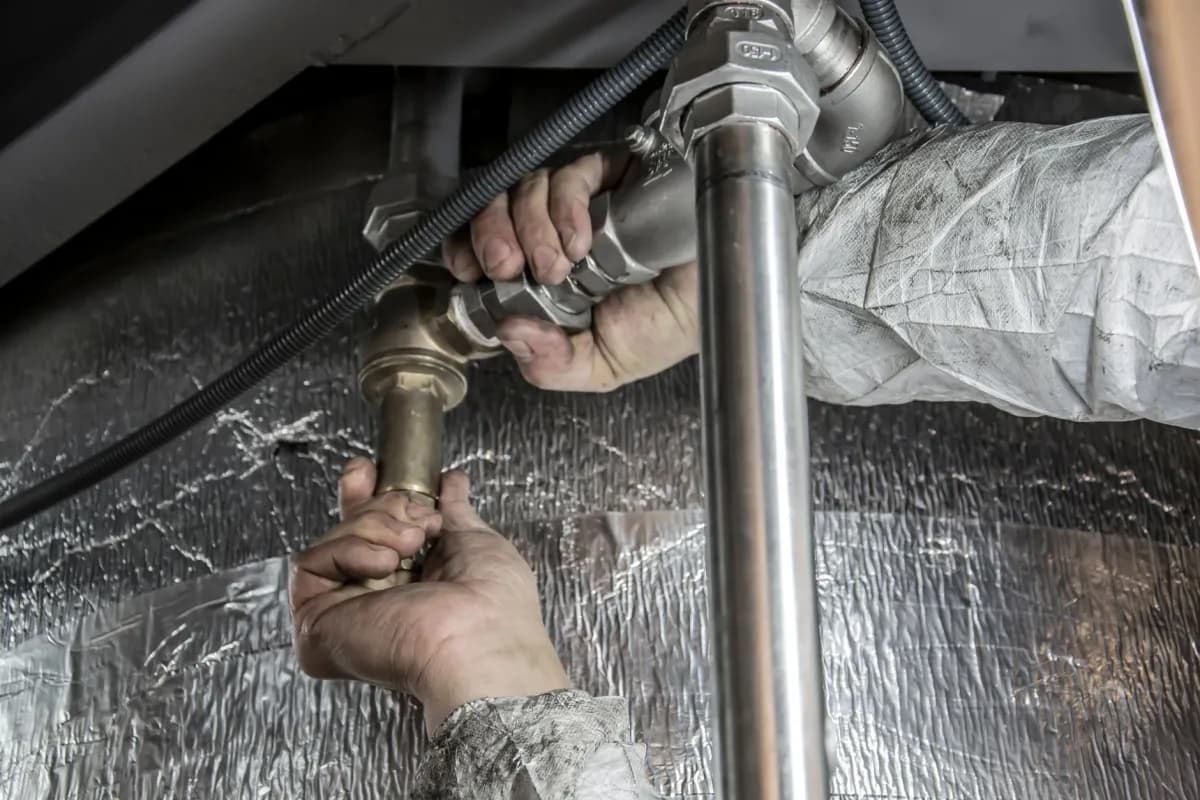
Most states require landlords to keep a rental habitable: working plumbing, heat, hot water and electrical, a sound roof, and safe common areas. Appliances the landlord provides are usually the landlord's to repair, too.
This isn't legal advice, and rules differ by state and city, so check your local laws and have your lease reviewed.
The tenant's side
Tenants are usually responsible for damage they, their guests or pets cause beyond normal wear and tear — a hole punched in a wall, a drain clogged with grease, a window broken by a ball. Many leases also make tenants responsible for small items like light bulbs and smoke-detector batteries.
Keep it from becoming a dispute
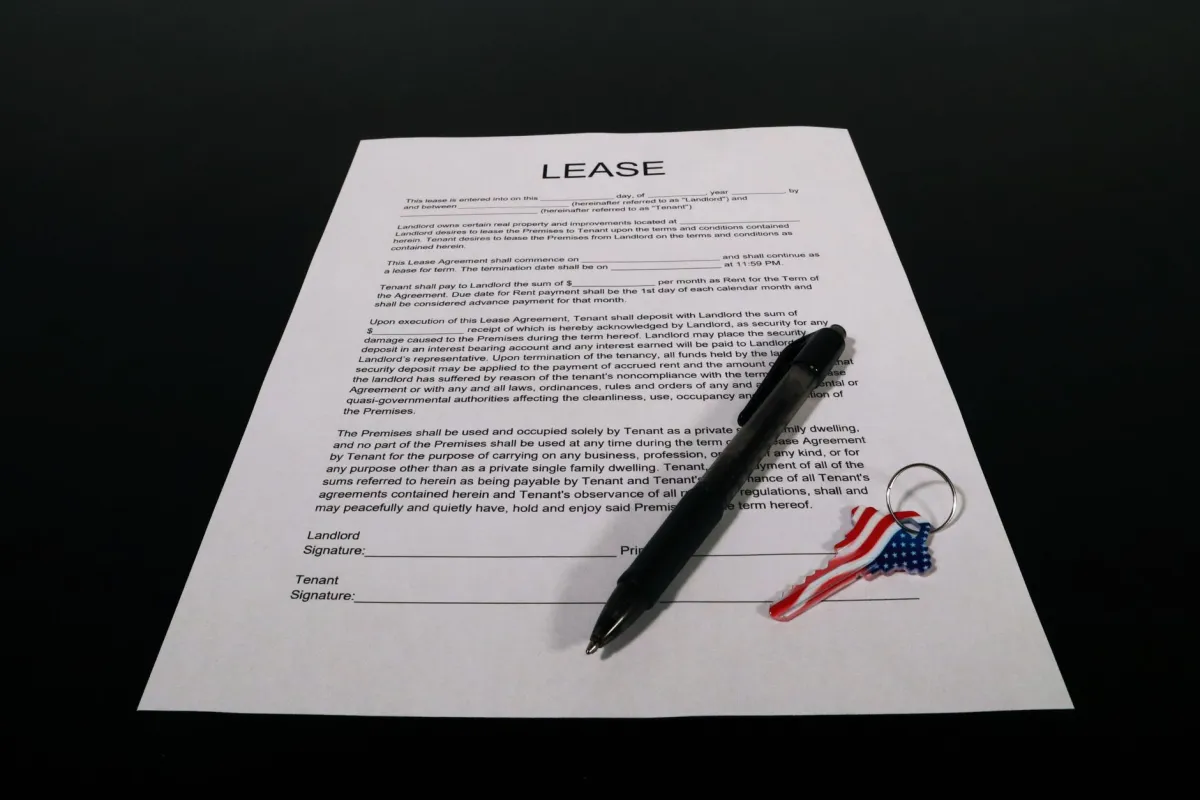
Spell out responsibilities in the lease, take move-in photos, and keep every repair request and invoice in one place. When the record is clear, the 'who pays' question usually answers itself.
Frequently asked questions
Does a landlord have to fix appliances?
Usually yes for appliances the landlord provides, unless the lease says otherwise. Appliances the tenant brings are the tenant's.
Can a landlord charge a tenant for a clogged drain?
Often, if the clog was caused by the tenant, such as grease or foreign objects. Clogs from old pipes or tree roots are generally the landlord's responsibility.